Curb appeal is often the first impression a property makes, and in many cases, it determines how people perceive the value, cleanliness, and care behind a space. Whether preparing for renovations, seasonal updates, or simple aesthetic improvements, property owners frequently focus on painting, landscaping, or decorative upgrades. However, one essential step is often overlooked — professional pressure washing. Before any major exterior project begins, a deep and thorough cleaning can dramatically transform surfaces, reveal the true condition of materials, and create a strong foundation for future improvements. Pressure washing is not just about washing away dirt; it is about preparing a property for lasting upgrades.
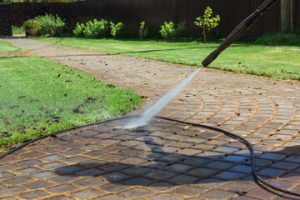
One of the biggest advantages of pressure washing is its ability to deliver immediate visual results. Over time, exterior surfaces collect layers of dust, mildew, algae, and pollutants that dull the appearance of siding, walkways, fences, and driveways. Even well-maintained properties can look older than they actually are when buildup accumulates. Pressure washing removes these layers efficiently, revealing brighter colors and cleaner textures underneath. This instant refresh makes the entire property look newer without the need for costly replacements. For many homeowners, the difference is noticeable within hours, proving that sometimes the fastest improvement is simply restoring what is already there. Discover further details at https://www.certifiedsoftwash.ca/.
Beyond appearance, pressure washing also plays a crucial role in preparation for other upgrades. Painting over dirty siding, sealing a deck covered in grime, or installing decorative features on unclean surfaces can lead to poor adhesion and uneven results. Professionals often recommend cleaning before applying finishes because contaminants can prevent coatings from bonding properly. When surfaces are thoroughly washed, paints and sealants last longer, reducing the need for frequent touch-ups. In this way, pressure washing acts as a foundational step that supports every other improvement, ensuring that upgrades perform as intended.
Another important benefit lies in uncovering hidden issues. Dirt and algae can mask cracks, loose materials, or areas of wear that need attention before renovations begin. A clean surface allows property owners to see what truly needs repair, preventing surprises later in the process. Instead of investing in cosmetic upgrades that hide underlying problems, pressure washing encourages a more informed approach to maintenance. This proactive mindset helps avoid unnecessary expenses and ensures that improvements address both appearance and structural health.
Pressure washing also enhances safety around the property. Walkways, driveways, and patios often become slippery when organic growth accumulates, especially in shaded or damp areas. Cleaning these surfaces not only improves their look but also reduces the risk of slips and falls. For families, guests, or clients visiting the property, this added safety can make a significant difference. A clean exterior communicates care and attention to detail, reinforcing a sense of professionalism and pride.
When planning upgrades, many property owners are surprised to learn how versatile pressure washing can be. It is not limited to large surfaces like walls or pavement. Outdoor furniture, fences, garage doors, and even certain roofing materials can benefit from specialized cleaning techniques. Professionals understand how to adjust pressure levels and cleaning solutions to match different materials, ensuring effective results without damage. This adaptability makes pressure washing a practical first step regardless of the size or scope of the project.
To better understand why pressure washing is often considered the starting point for exterior improvements, consider the following advantages:
- Creates a clean canvas for renovations – Removing dirt and debris ensures paints, stains, and finishes adhere properly.
- Enhances color and texture instantly – Surfaces appear brighter and more vibrant after cleaning.
- Reveals hidden maintenance needs – Clean exteriors make it easier to identify cracks, mold, or structural issues.
- Increases perceived property value quickly – A well-maintained exterior leaves a strong visual impression.
These benefits highlight why pressure washing is more than a cosmetic upgrade; it is a strategic step that supports long-term property care.
Another perspective to consider is the psychological impact of curb appeal. Clean exteriors create a welcoming atmosphere that influences how people feel about a space. For property owners planning to sell or host events, the difference between a dull exterior and a freshly washed one can shape expectations before anyone even steps inside. Pressure washing removes visual clutter, allowing architectural details and landscaping features to stand out. This clarity enhances the overall design of the property, making upgrades feel more cohesive and intentional.
Environmental factors also play a role in the need for regular exterior cleaning. Exposure to moisture, dust, and organic growth accelerates wear on surfaces, particularly when contaminants remain untreated for long periods. Pressure washing removes substances that contribute to deterioration, helping materials maintain their original strength and appearance. Instead of waiting for visible damage to appear, incorporating cleaning into routine maintenance can extend the lifespan of siding, decks, and paved areas. This preventative approach aligns with the growing emphasis on sustainable property management.
Another reason professionals recommend pressure washing before upgrades is efficiency. Renovation projects often require clear workspaces free from debris and buildup. Cleaning beforehand allows contractors to work more effectively, reducing delays caused by surface preparation. For example, painters spend less time sanding or scraping when surfaces are already clean, and landscapers can focus on design rather than clearing grime from hardscapes. By investing in pressure washing early, property owners streamline the entire improvement process, saving both time and resources.
While some individuals attempt to handle exterior cleaning themselves, professional pressure washing services offer distinct advantages. Experienced technicians understand the nuances of different materials and know how to avoid common mistakes such as using excessive pressure or incorrect cleaning solutions. They also bring specialized equipment that delivers consistent results across large areas. This level of expertise ensures that cleaning enhances rather than harms the property, providing peace of mind for those preparing for major upgrades.
Another key consideration is the role of pressure washing in seasonal maintenance. Exterior surfaces experience cycles of buildup throughout the year, and timing a cleaning before renovations helps reset the property’s condition. Instead of layering new improvements over old grime, property owners start fresh with a clean foundation. This approach is particularly valuable for projects like repainting, sealing, or installing decorative features, where surface quality directly affects longevity.
In addition to visual and practical benefits, pressure washing can also contribute to improved energy efficiency. Dark stains and organic growth absorb heat, causing exterior walls to retain more warmth during sunny conditions. By removing these contaminants, surfaces reflect light more effectively, helping maintain more stable indoor temperatures. While the impact may vary depending on materials and climate, the connection between cleanliness and energy performance highlights another reason why pressure washing is a smart first step before upgrades.
To make the most of exterior cleaning as part of a broader improvement plan, professionals often recommend a strategic approach that includes:
- Evaluating surface conditions before cleaning – Identifying areas that require gentle treatment prevents accidental damage.
- Choosing appropriate cleaning methods – Combining soft washing and controlled pressure achieves deeper results.
- Scheduling upgrades soon after cleaning – Freshly washed surfaces provide the best foundation for painting or sealing.
- Maintaining a regular cleaning routine – Consistent upkeep keeps the property looking refreshed long after renovations are complete.
These practices ensure that pressure washing supports long-term goals rather than serving as a temporary fix.
Another aspect worth considering is the emotional satisfaction that comes with seeing immediate improvement. Renovation projects can take weeks or months to complete, but pressure washing delivers visible progress in a short amount of time. This early transformation can inspire confidence and excitement, motivating property owners to continue with their upgrade plans. By starting with a thorough cleaning, the entire process feels more manageable and rewarding.
As exterior design trends evolve, the emphasis on clean, well-maintained spaces continues to grow. Modern aesthetics often highlight natural textures, open walkways, and balanced color palettes — all of which benefit from a freshly cleaned foundation. Pressure washing allows these design elements to shine without overwhelming them with unnecessary additions. Instead of masking surfaces with new materials, property owners can focus on enhancing what already exists.
In the end, boosting curb appeal quickly does not always require expensive renovations or dramatic changes. Sometimes the most impactful improvement is simply revealing the true potential of a property through professional cleaning. Pressure washing sets the stage for every upgrade that follows, from painting and landscaping to decorative enhancements and structural improvements. By prioritizing this essential first step, property owners create a cleaner, safer, and more visually appealing environment that supports both immediate goals and long-term value.
Choosing to begin with pressure washing reflects a thoughtful approach to property care. It recognizes that lasting upgrades depend on a solid foundation — one that starts with clean surfaces, clear visibility, and a commitment to proper maintenance. As more people seek efficient ways to enhance curb appeal, pressure washing continues to stand out as the smartest and most effective starting point for any exterior transformation.